
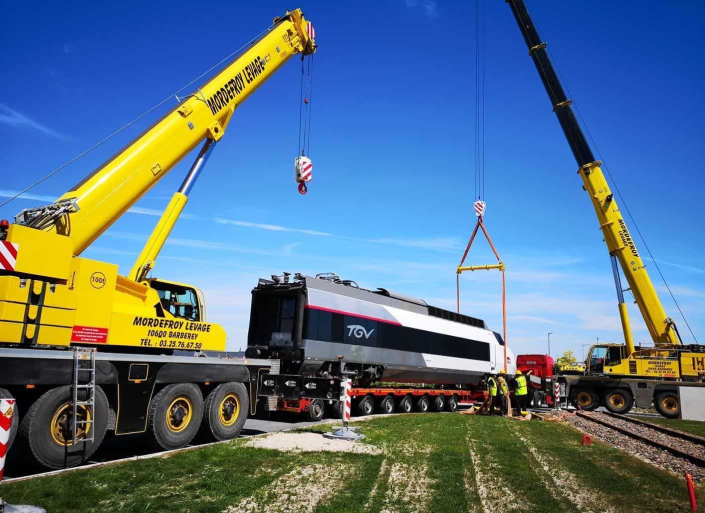
Rigging plays a crucial role in construction, heavy lifting, and industrial projects, ensuring that large and heavy loads are moved safely and efficiently. Whether you’re working on an oil and gas project or a large construction site, understanding the basics of rigging is essential to ensure the job is done right and safely. If you’re new to the world of rigging, here’s a beginner’s guide to get you started.
What is Rigging?
Rigging refers to the process of setting up equipment and systems that allow heavy objects, materials, or equipment to be safely lifted, moved, and positioned. This includes everything from the lifting gear (such as slings, chains, and hooks) to the equipment used for the actual lifting (such as cranes, hoists, and pulleys). Rigging also involves the proper handling, securing, and distribution of weight to ensure a safe and successful lift.
Key Components of Rigging
- Lifting Gear
The primary lifting gear used in rigging includes slings, shackles, hoists, and ropes. Slings are typically made from materials like steel, nylon, or synthetic fibers, and they come in various shapes and sizes to fit the needs of different loads. Shackles and hooks are essential for securely connecting lifting devices to loads. - Cranes and Hoists
The lifting equipment, such as cranes or hoists, are the mechanical machines used to lift and move loads. Cranes are particularly important in construction and industrial settings, offering the ability to lift heavy, oversized loads over long distances. - Rigging Hardware
This includes components like pulleys, blocks, and winches, which work in tandem with the lifting gear to make the rigging process more efficient and to facilitate the movement of heavy materials. - Safety Equipment
Safety is a top priority in rigging operations, and it’s essential to have personal protective equipment (PPE) like hard hats, gloves, safety glasses, and harnesses. Proper safety measures should always be in place to protect riggers and others working nearby.
Types of Rigging
- Vertical Rigging
This type of rigging involves lifting objects vertically, usually with the help of cranes. It’s common in construction sites when lifting heavy materials to higher floors or structures. - Horizontal Rigging
Horizontal rigging focuses on moving loads horizontally, often with a system of ropes, pulleys, and other rigging hardware. This type of rigging is typically used for transporting goods across distances. - Complex Rigging
In some cases, especially with large and heavy machinery, rigging operations can become more complex, requiring specialized planning and equipment. Complex rigging might involve multi-point lifts, lifting with cranes from different angles, or rigging in tight or challenging environments.
Key Considerations in Rigging
- Load Assessment
Before starting any rigging operation, it’s essential to assess the weight and size of the load being moved. This helps determine the type and strength of the rigging equipment needed for the job. - Rigging Plan
A well-thought-out rigging plan is vital for any project. The plan should detail the type of equipment used, how the load will be lifted, and the safe working load limits for the rigging equipment. The plan should also include emergency procedures in case something goes wrong. - Inspection of Equipment
Before every rigging operation, it’s crucial to inspect all rigging equipment, including slings, hooks, and cranes. Any damaged or worn equipment should be replaced immediately to avoid accidents or failure during the lift. - Safety Protocols
Safety is the most important aspect of rigging. Always follow safety protocols, including ensuring that the area around the rigging operation is clear of people, using appropriate PPE, and ensuring that all team members are properly trained.
Why Proper Rigging is Important
Improper rigging can lead to serious accidents, including damage to equipment, injuries, or even fatalities. Proper rigging ensures the safety of the personnel involved and the equipment being used. It also helps prevent delays and accidents that can lead to costly project downtime.
Takeaway
Rigging may seem complex at first, but with the right understanding of the basic components, safety standards, and techniques, you can ensure that your lifting operations are done safely and efficiently. Whether you’re working on a small project or a large-scale industrial operation, always prioritize safety, thorough planning, and proper equipment. By mastering the basics of rigging, you’re ensuring that your project moves forward without a hitch. If you’re new to rigging, take time to learn from professionals and practice safe rigging techniques on every job.


